Reliable Water Heater Services: Keep Your Showers Hot and Enjoyable
Professional water heater support is vital for delivering steady hot water for everyday tasks. Regular servicing can optimize performance and lengthen the unit's longevity. On the other hand, plenty of residents overlook indicators suggesting a need for repairs. Understanding these red flags and the importance of professional expertise can eliminate unexpected breakdowns. What are the frequent indicators that your water heater may need servicing?
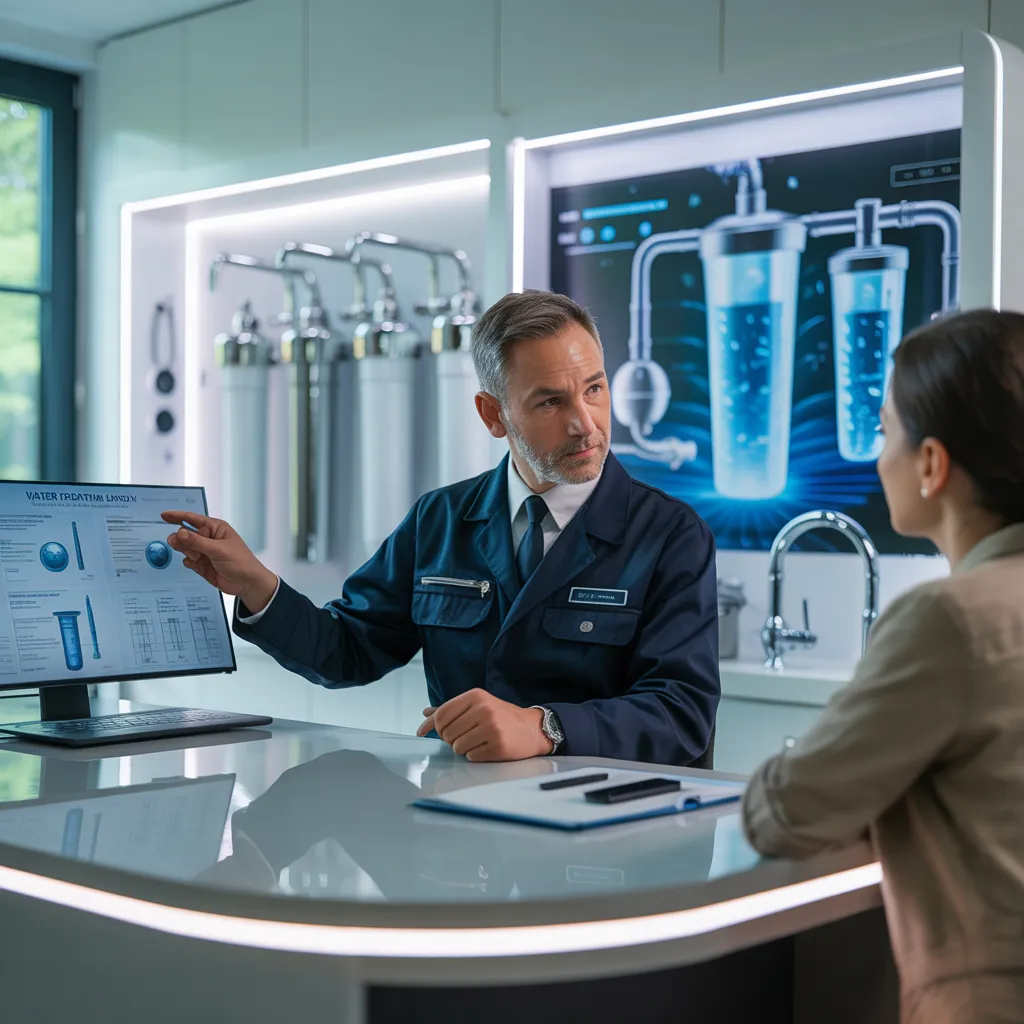
Frequent Indicators Your Water Heater Requires Fixing
Water heaters commonly show subtle hints when they need maintenance. One frequent sign is inconsistent water temperature; when users detect variations from hot to cold, it may suggest a defective thermostat or heating element. In addition, strange noises, such as popping or rumbling, can suggest sediment buildup, which reduces efficiency. Leaks around the unit also require attention, as they may indicate loose connections or internal tank faults. Furthermore, discolored water or an unpleasant smell can indicate rust or corrosion, compromising the water quality. Finally, if the heater fails to deliver enough hot water for daily requirements, it may be time for professional evaluation. Recognizing these signs early can avoid bigger problems and guarantee consistent hot water supply. By tracking these signals, homeowners can maintain the efficiency and lifespan of their water heating systems.
Why Standard Upkeep Maintains Your Water Heater in Good Condition
Regular servicing is necessary for attaining peak performance of a water heater. It improves energy efficiency, prolongs the appliance's durability, and helps identify issues before they escalate. By stressing servicing, homeowners can keep their water heaters in peak condition.
Enhanced Power Consumption Reduction
Proper maintenance of a water heater is important for improving its energy use over time. Regular service tasks, like clearing out the tank and inspecting the heating elements, help in ensuring optimal functionality. Sediment buildup can affect heating efficiency, making necessary more energy to maintain desired temperatures. By addressing these problems quickly, homeowners can cut back on energy use and lower utility bills. Moreover, inspecting thermostat configurations and ensuring pipes are properly insulated can enhance efficiency. Technicians can find and repair minor issues before they escalate, ensuring that the water heater works smoothly. This proactive practice not only conserves energy but also supports a more sustainable household, aligning with the growing concern for environmental responsibility.
Extended Appliance Duration
A well-maintained water heater not only maximizes energy efficiency but also considerably prolongs its lifespan. Regular maintenance tasks, such as draining the tank to remove sediment buildup and inspecting the anode rod, help avoid corrosion and scale accumulation. This proactive approach guarantees that the appliance operates smoothly, minimizing wear and tear on its components. Moreover, routine inspections can identify potential issues before explore they escalate, allowing for timely repairs that extend the unit's longevity. By investing in regular servicing, homeowners can enjoy consistent hot water and avoid the costly replacement of their water heaters. Ultimately, a commitment to maintenance translates to dependable performance and a longer, more efficient lifespan for the appliance.
Preventative Issue Identification
Maintenance done proactively is critical to spotting possible water heater issues before they turn into serious troubles. Routine evaluations allow technicians to recognize early indications of wear, including sediment buildup, corrosion, or defective components. Taking care of these problems quickly can help avoid costly repairs and lengthen the lifespan of the unit. Steady maintenance guarantees maximum efficiency, lowering energy costs and boosting performance. Setting up annual inspections enables homeowners to keep a consistent supply of hot water, ensuring comfort during everyday routines. Additionally, this preventative method promotes peace of mind, knowing the water heater runs safely and efficiently. Finally, making regular maintenance a priority is an investment in reliability and long-term contentment for any household.
The Way Professional Services Preserve Your Water Heater's Optimal Function
While many homeowners may neglect the importance of routine upkeep, professional services are crucial in ensuring a water heater's performance. Technicians possess the expertise to carry out thorough inspections, identifying problems that may be overlooked by untrained eyes. They check essential components, such as thermostats, heating elements, and sediment buildup, which can significantly influence performance.
Regular maintenance, such as draining the tank and checking connections, avoids potential breakdowns and prolongs the lifespan of the system. Additionally, professionals can adjust parameters for maximum performance, ensuring that the water heater operates at maximum efficiency.
Finding the Perfect Water Heating System for Your Home
Which method allows homeowners to guarantee they select the most suitable water heater for their needs? The process begins with understanding oneself with the diverse types on hand, including tankless, storage, and heat pump water heaters. Each type presents distinct benefits; for instance, tankless models furnish instant hot water, while storage heaters furnish a consistent flow.
Homeowners should also consider their household size and hot water demands. More sizeable families may require a substantial capacity tank, while fewer occupants might take advantage of the efficiency of a tankless system. Additionally, energy ratings hold significant weight in long-term cost savings. Homeowners should seek models with ENERGY STAR certifications.
Lastly, assessing fuel types—gas, electric, or solar—can greatly impact installation and operating costs. Speaking to plumbing professionals can offer further guidance, helping homeowners make informed decisions customized for their specific needs and preferences.
Self-Service Pointers for Fundamental Troubleshooting
When dealing with water heater problems, a few fundamental troubleshooting steps can often lead to quick solutions. Checking the power supply is crucial, as a simple electrical issue may be the cause. Additionally, inspecting the temperature settings can help ensure the heater operates within the desired range.
Verify the Power Supply
The first crucial step in diagnosing water heater malfunctions is checking the power supply. A water heater may not function properly if it isn't receiving adequate power. Begin by confirming that the unit is plugged in and that the circuit breaker hasn't tripped. If the breaker is tripped, resetting it may recover power. It's also important to inspect for blown fuses; replacing any blown fuses can correct power issues. Additionally, inspecting for disconnected electrical wiring connections can be useful. If the water heater is gas-powered, confirming the gas supply is on and operational is necessary. By systematically checking these elements, one can effectively troubleshoot basic power supply issues before calling in a professional.
Evaluate Thermal Settings
A simple check of the temperature settings can often show the origin of water heater problems. Many homeowners miss this easy step, yet it is important for peak performance. Water heaters generally function best at temperatures between 120°F and 140°F. If the setting is too low, it can cause moderately warm showers, while overly high settings may cause scalding hazards. Modifying the thermostat is easy; most units have a control or digital interface for quick modifications. It is wise to check the temperature with a thermometer to ensure accuracy. If changing the settings doesn’t fix the problem, additional inspection may be required, potentially involving professional help. Regular checks can help ensure an well-functioning and safe water heater.
What to Anticipate During Your Water Heater Service Visit
Although many homeowners may experience doubt about what to expect during a water heater service visit, understanding the process can alleviate concerns. Typically, a qualified technician will show up at the appointed time, furnished with the required tools and parts. Upon arrival, they will assess the unit's condition, checking for leaks, corrosion, and other possible issues.
The technician will also examine the heat configuration and guarantee the heater is operating properly. If repairs are needed, the technician will describe the problems and provide a detailed estimate before proceeding. Customers can expect transparent dialogue throughout the visit, resolving any questions or concerns.
At the end of the procedure, the expert will deliver maintenance tips to help maximize the device's performance and efficiency. All things considered, a experienced water heater service visit works to confirm consistent dependability, giving homeowners tranquility about their water heating needs.
Ways to Increase Your Water Heater's Lifespan
Extending a water heater's lifespan calls for ongoing servicing and thorough care. Consistent checks are important, allowing homeowners to identify potential malfunctions before they escalate. Flushing the tank every year removes sediment buildup, which can impair efficiency and cause corrosion. Furthermore, inspecting the anode rod every few years assures protection against rust, as its deterioration alerts the need for replacement.
Also, maintaining the correct temperature settings, typically around 120°F, improves both protection and fuel conservation. Protecting the tank and pipes reduces heat loss, further aiding to longevity. Homeowners should also be aware of the water quality; hard water can significantly shorten a water heater's lifespan.
In conclusion, arranging professional maintenance every few years can provide essential insights into the unit's condition, guaranteeing it operates at peak performance. By following these steps, homeowners can optimize their water heater's efficiency and longevity, resulting in reliable, satisfying hot water.
Often Sought Answers to Questions
How Can I Tell if My Water Heater Offers Energy Efficiency?
To determine if a water heater is energy efficient, one should check its Energy Factor (EF) rating, contrast operating costs, consider the insulation quality, and evaluate whether it meets current energy standards for peak performance.
Discover Frequent Water Heater Brands and Assess Their Durability?
Well-known water heater companies like Rheem, A.O. Smith, and Bradford White are widely available. In general, Rheem and A.O. Smith are acclaimed for resilience, whereas Bradford White receives accolades for trustworthiness. Consumer feedback typically highlights their efficiency and longevity.
Are there eco-friendly hot water system choices available?
Yes, green water heater alternatives are obtainable, including solar water heaters, heat pump systems, and tankless models. These choices support energy efficiency, lower carbon footprints, and can reduce utility costs over time, advantaging both users and the environment.
How Frequently Should I Replace My Water Heater?
Most professionals recommend replacing a water heater every 8 to 12 years, based on the model and servicing. Periodic inspections can help gauge its efficiency and performance, ensuring prompt replacement when essential.
What Protection or Promises Should I Seek Out?
When choosing a water heater, individuals should look for guarantees that cover parts and labor for at least five to ten years, as well as warranties on functionality and installation to ensure extended contentment and reliability.